Parmigiana – Aubergine and tomato bake

Aubergine and tomato bake


Aubergine and tomato bake

Parmigiana di melanzane

This popular aubergine and tomato bake is a great vegetarian dinner party dish or a family meal. We have been selling a version of this dish in our restaurants for over 30 years and its still a favourite today. This adaption of the classic Parmigiana is easy to make and quick to cook. It keeps well in the fridge for a few days and freezes well, so is good for batch cooking too. It will reheat quickly in microwave. Make sure that whichever tomato sauce recipe you use the tomatoes have been sufficiently reduced to make a thick, sticky sauce. If the sauce is watery, the finished dish will be watery too.


Serves 6


3 tablespoons extra virgin olive oil

3 medium aubergines, cut into slices just less than 1cm (½in) wide

800g (1lb 12oz) Classic tomato sauce, see below

75g (2¾ oz) Parmesan, finely grated

250g (9oz) mozzarella, drained and roughly torn

approx. 30 basil leaves

salt and freshly ground black pepper


Preheat the oven to 220°C/200°C fan/425°F/gas mark 7.


Lightly grease a baking tray with a little of the oil then lay the aubergines on top. Brush the tops with the remaining oil and season. Roast for 20–25 minutes or until soft and lightly browned. Remove from the oven and leave to cool for a few minutes until you can touch them.


Spread a layer of tomato sauce on to an ovenproof dish about 20 x 25cm (8 x 10in). Add a layer of aubergines followed by a layer of basil leaves and both cheeses. Continue layering the ingredients finishing with the cheese.


Bake in the oven for 20–25 minutes until golden brown on top and bubbling.


Per serving: 18.5g net carbs, 7.2g fibre, 12.1g protein, 24.5g fat, 350kcal


Classic tomato sauce

Sugo di pomodoro classico

This is an easy tomato sauce to make from canned peeled tomatoes. Always choose an Italian variety; either San Marzano plum tomatoes or cherry tomatoes are perfect.


Serves 6


5 tablespoons extra virgin olive oil

1 medium red or white onion, finely chopped

2 garlic cloves

3 x 400g cans Italian plum tomatoes

salt and freshly ground black pepper


Heat the olive oil in a pan over a medium heat and fry the onion and garlic over a medium heat for 5–7 minutes until softened and translucent. Season with salt and pepper.


Add the tomatoes and rinse the cans out with a little water, then add this to the pan. Bash the tomatoes with a potato masher or wooden spoon to break them up. Reduce the heat and simmer, uncovered, for about 40 minutes to concentrate the flavours. The sauce should be thick and not watery. Taste and adjust the seasoning as necessary.


Per serving: 7g net carbs, 4g fibre, 1.9g protein, 11g fat, 139kcal


Ricotta cakes, asparagus and tomato sauce

Creamy ricotta, grilled asparagus and roasted tomato sauce

Ricotta al limone al forno con salsa di pomodori arrostiti e asparagi arrosto

Lemon ricotta cakes with asparagus and roasted tomato sauce


These light and flavourful lemon ricotta cakes with asparagus are a simple yet elegant Italian vegetarian recipe, perfect for spring and summer dining. Baked until softly set and served with a rich roasted tomato sauce, they are ideal for entertaining as they can be made ahead and kept in the fridge for a few days. The dressing also works beautifully with grilled fish, lamb, chicken breast or pan-fried goat’s cheese, making this a versatile Italian ricotta recipe to have on hand. The soft herb and cheese moulds are wonderful with roast asparagus, however when it is not in season serve them with buttered toast, grilled courgettes, roasted and peeled red peppers or heirloom tomatoes.

Serves 4

for the moulds and asparagus

butter, for greasing

250 g (1 cup) ricotta, drained
1 egg
a small handful of fresh thyme leaves, finely chopped, plus extra to garnish
25 g (1 oz) vegetarian hard cheese or Grana Padano or Parmigiano Reggiano, finely grated
finely grated zest of ½ unwaxed lemon
250 g (9 oz) asparagus, woody ends removed
3 tablespoons extra virgin olive oil
a squeeze of lemon juice
salt and freshly ground black pepper

for the dressing

400 g (14 oz / about 3 cups) cherry tomatoes
3 tablespoons extra virgin olive oil (45 ml / 1½ fl oz)
a little finely chopped red chilli or finely grated lemon zest, according to taste (optional)
a handful of flaked almonds, toasted, to serve (optional)

Preheat the oven to 180°C (350°F / gas mark 4). Generously grease 4 dariole moulds (about 8 cm / 3 inch across x 5 cm / 2 inch deep) or ramekins with butter and line the bases with baking parchment.

To make the dressing, roast the whole tomatoes on a baking tray for 20–30 minutes or until they have collapsed but not browned. Remove from the oven and leave to cool. Reserve a handful of cherry tomatoes for a garnish. Tip the remainder into a blender or food processor and blend until smooth. Add the olive oil, salt to taste, and either a little chilli or lemon zest, if you like. The dressing will keep in the fridge, covered, for up to a week.

Make sure the ricotta is well drained. You can do this in a fine sieve or by holding the ricotta in its container over the sink and tipping it. Tip the ricotta into a mixing bowl and stir in the egg, thyme, cheese, lemon zest, salt and pepper. Spoon into the moulds and bake for 30–40 minutes or until the tops are lightly golden and firm to the touch. Meanwhile, place the asparagus on a baking tray, season and drizzle with the oil, roast for 15–20 minutes or until tender. Toast the flaked almonds, if using, on a baking tray until lightly browned, they will take 3–5 minutes.

Turn out the moulds and serve straight away or at room temperature, with the asparagus drizzled with the cooking juices and a squeeze of lemon juice, the dressing and a few roasted cherry tomatoes. Garnish with a few toasted almonds and thyme leaves and serve.


Asparagus, ham and cheese bundles

A classic Italian Spring asparagus recipe with prosciutto and Grana Padano.

Involtini di asparagi

These cheesy baked asparagus and prosciutto parcels are great and easy way to serve seasonal asparagus. The combination of salty prosciutto, sweet asparagus and nutty Grana Padano makes this a standout Italian vegetable dish that works beautifully as a starter or light main course. This is also a high-protein brunch recipe when served with fried eggs.

Serves 4

700 g (1 lb 9 oz) asparagus spears
12 slices of San Daniele or Parma ham
2 tablespoons freshly grated Grana Padano or Parmigiano Reggiano
30 g (1 oz) unsalted or salted butter
Salt and freshly-ground black pepper

Snap off the tough ends from the asparagus by bending them near the thick ends until they break while you bring a pan of water to the boil. Trim the broken ends with a sharp knife. Discard the woody ends (or freeze and save them for a stock another day).

Boil the asparagus until just tender when pierced with a sharp knife, the cooking time will depend on the thickness of the asparagus. Drain and cool in cold water.

Preheat the oven to 200°C fan/400°F/Gas 6). Butter a large lasagne dish generously.

Put a slice of ham onto a board and place two fat or three slim asparagus spears on top. Roll into bundles with the tips and stems protruding from each end. Continue until all the asparagus are wrapped and put the parcels in a single layer in the buttered dish. Scatter over the cheese, freshly ground black pepper and dot with the remaining butter.

Cook in the oven for 10–15 minutes until golden brown. Serve the bundles with the juices in the dish with crusty bread.


Ribollita, Tuscan Winter Soup

A delicious Tuscan winter soup packed with healthy vegetables and thickened with sourdough bread and beans

Ribollita

Tuscan Winter Soup

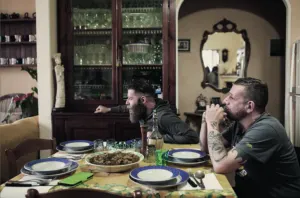
This Tuscan winter soup recipe is made with the dark, robust leaves of cavolo nero, a native Tuscan kale. We had this soup with our friend Franca Buonamici from Lucca and drank it with the neighbour’s homemade red wine. These are her boys below who still come back for lunch from work. I love the fact that the modernity in the tatoos and i-phone contrasts with the medieval soup still being served at home. The photo is by Helen Cathcart from our cookbook Tuscany by Hardie Grant.

Franca S Boys Eating Ribollita

The story is that the recipe dates back to medieval times when the wealthy would use a trencher, a thick slice of bread, to catch the meat juices as they ate. These could be eaten or tossed aside for the animals or peasant workers to collect. The meaty tasting bread would be “reboiled” with vegetables and beans to make a meal, hence the name.

Using three different cabbages is not strictly necessary but you would be surprised how their flavours differ. The white is quite sweet against the bitter kales. This is a dish that can change completely according to what vegetables you have available, what is growing in your orto or what you have in the back of the fridge (you can add the chopped leftover vegetables from a stock into the soup, too – nothing goes to waste in a Tuscan kitchen). The soup can be eaten after cooking but traditionally it is left for a day then layered with saltless spongy Tuscan bread and cooked again. It is often served with a spring onion (scallion): I find it a little overpowering, but the choice is yours!

Serves 6–8

For the soffritto

6 tablespoons extra-virgin olive oil

1 medium carrot, roughly chopped

1 large red or white onion, finely chopped

1 large celery stalk, roughly chopped

2 garlic cloves, peeled and lightly squashed

1–2 teaspoons salt

freshly ground black pepper, to taste

a large handful of parsley, finely chopped, including stalks

1 sprig of rosemary (optional)

For the soup

250 g (9 oz) potatoes, cut into 2 cm (¾ in) dice

250 g (9 oz) white cabbage, shredded (like coleslaw)

400 g (14 oz) raw cavolo nero or 200 g

 (7 oz) cooked and squeezed leaves, roughly chopped

75 g (2½ oz) curly kale, tough stalks removed and leaves roughly chopped (optional)

1 litre (34 fl oz/4¼ cups) warm chicken stock, plus 250 ml (8½ fl oz/1 cup) bean cooking water or more stock

250 g (9 oz) cooked cannellini beans

6 large slices Tuscan-style crusty bread or very good sourdough

1 garlic clove, peeled

spring onions (scallions), to serve

Cook all the soffritto ingredients for the base together for 10–15 minutes over a low heat until soft. Add the potatoes and shredded white cabbage and cook over a medium heat until the cabbage starts to wilt. If using raw cavolo nero, strip the leaves from the stalks and tear the leaves into bite-size pieces. Add the cavolo nero and kale to the dish and stir through.

Pour in the stock and bring to boil, turn the heat down to a simmer and cook for 30 minutes, or until the vegetables are cooked through. Divide the cannellini beans in half and add one half to the soup. Purée the other half with a stick blender, then add this to the soup too. Cook for a further 10 minutes or so to warm the beans through. Taste and season as necessary. Serve straight away or let the soup cool before transferring to the fridge if keeping overnight.

Preheat the oven to 180°C (350°F/Gas 4). Toast the bread until lightly crisp, then rub each slice with the garlic clove. Pour a layer of the soup into an ovenproof serving bowl, top with a few slices of bread followed by another layer of soup. Repeat until the bread and soup is used up. Put into the oven for 20–30 minutes or until the soup is piping hot and the bread has soaked up the juices. Serve warm with one spring onion per bowl and a swirl of your best extra-virgin olive oil.